NetsSuite vs SAP - Best ERP System Comparison
More and more businesses are moving to the cloud to lower their costs, increase business flexibility, create efficient workflows, and faster scaling. Cloud-based ERP such as SAP and Netsuite come into the picture to aid businesses of all levels by providing a scientific and systematic approach free from hassles of tech management.
SAP and NetSuite are cloud-based ERP software designed to help mid-market companies run their businesses in a lean and agile way.
What is a Cloud-based ERP?
Cloud-based ERPs are software that runs on the cloud and does not involve hardware, large and upfront license fees, maintenance fees associated with hardware or software, or complex setups. These ERPs are great for companies who have their business systems running across different platforms that don’t talk to each other.
The cloud-based solutions solve the problem of excess manual work, duplication of tasks, and costly errors. They aim to reduce business overheads & headcount, improve decision making using real-time analytics, generate business insights, etc., among other things.
Two of the largest players in the Cloud ERP domain are Netsuite and SAP.
Netsuite
NetSuite Inc. is an Oracle owned, American cloud computing company founded by Evan M.Goldberg in 1998, with headquarters in San Mateo, California, United States. NetSuite provides a single view on one platform to manage a business by using “mini-applications” such as financial management, enterprise resource planning (ERP), E-commerce, omnichannel commerce, customer relations management (CRM) systems, and professional service automation (PSA) which helps to automate and scale business processes.
SAP
System Analysis Program (SAP) is an Enterprise Resource Planning software which is an European multinational founded in 1972 by Wellenreuther, Hopp, Hector, Hasso Plattner, and Tchira. They are headquartered in Walldorf, Germany.
SAP is one of the most-used ERP software on the market and contains hundreds of fully integrated modules that cover nearly every aspect of business management. SAP software products provide powerful instruments for helping companies manage their financial, logistics, human resources, and other business areas. SAP enables every department to communicate and exchange information with each other easily creating a better work environment for all employees in the company.
Stay ahead with NetSuite ERP insights! Subscribe our newsletter now.
Netsuite v/s SAP
Although Oracle Netsuite and SAP provide similar functionality, they both share many differences as well. The solution that you choose depends on your company’s specific requirements, budget, and available resources. Here are the key differences between the two.
Deployment
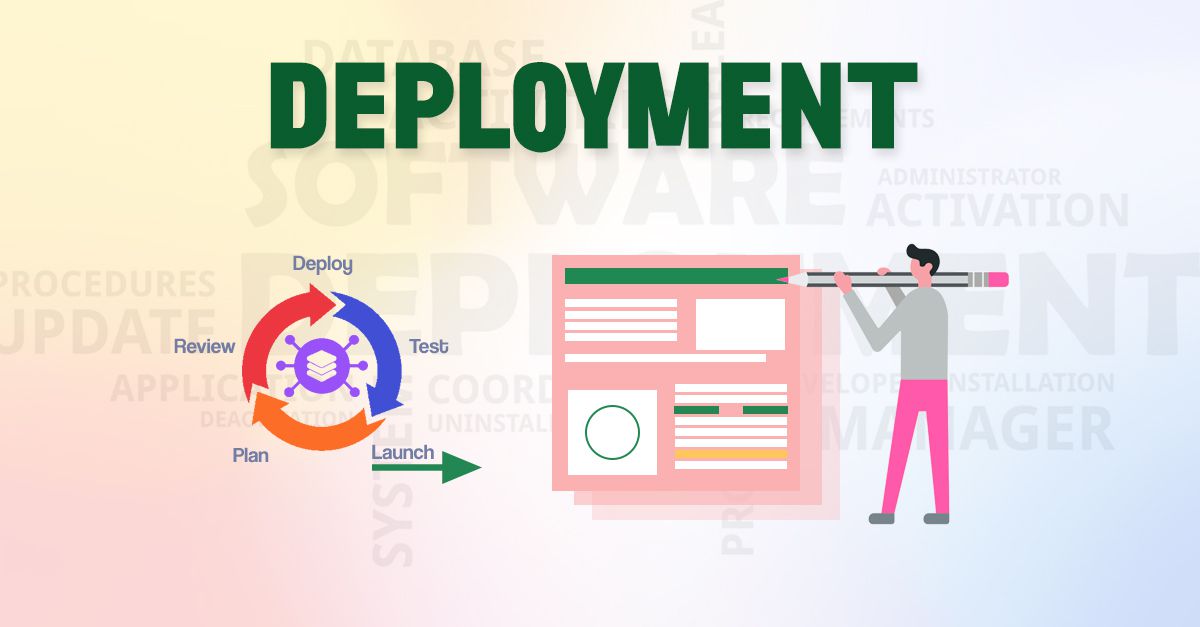
One of the major differences between SAP and NetSuite is the mode of deployment. SAP was originally meant to be accessed on-premise on a user’s own IT system. However, it can now be deployed via the cloud or hybrid of the two, giving the user benefits of both.
On the other hand, NetSuite is exclusively cloud-based and is run by the service provider at a shared data center in a remote location. Another difference is that NetSuite provides easy mobile access as compared to SAP because NetSuite has been designed as a cloud system from the get-go.
Since there is a single version of Netsuite for all devices, you can easily access the software from anywhere. Whereas, SAP is dependent on its partners to deliver web experiences including SAP Fiori that provides full mobile app access to their users.
Customization and Workflow Management
SAP and NetSuite both provide their users with good customization features. When using SAP, you can make changes to code, but this will restrict your ability to upgrade and apply fixes.
When using Netsuite, modification of the code is not necessary as it has the capacity to edit and customize forms, records, KPI’s and visualize appearance.
Integrations
SAP and NetSuite both offer web services for accessing items in the ERP database. But, NetSuite is much easier to integrate with other source systems as it is built to be compatible with a livelier community of partners and suppliers.
SAP does not include a standards-based open architecture for connecting to partners and other applications. Also, the amount and quality of add-ons for SAP is less when compared to NetSuite’s add-ons.
System Updates
NetSuite system upgrades are done automatically. NetSuite’s ERP systems are deployed within a multi-tenancy environment which can affect version control and system upgrades. Not only this, upgrades can be deployed to all customers at NetSuite’s discretion-not yours.
Whereas, SAP license agreement permits them to make changes to code which restricts the customer’s ability to upgrade and apply fixes. You can choose when to have your SAP upgrades deployed. Upgrades can be planned in advance, so that you can avoid any issues from occurring during critical times.
Cost of Integration

Integrating NetSuite with other applications involves hand-coding to support the integration development with other add-ons which is not only tedious but also lengthy. The amount of programming required to do so increases your overall costs.
SAP, on the other hand, fully integrates your sales, invoicing, production, scheduling, and shipping data and reconciles with other applications by eliminating manual intervention which reduces your costs.
Analytics and Reporting
Both SAP and NetSuite have excellent tools for providing full reporting functionality and showing KPIs and dashboards. However, NetSuite’s “Suite Analytics” is much easier to use as compared to SAP because NetSuite tool is very user-friendly, and lets users generate real-time reports that provide immediate insights. Also, the system automates calculations, provides continual revenue recognition tracking, and offers complete support for all main revenue recognition rules.
SAP also has similar features - an additional feature that is an Excel tool for data manipulation and analysis. But, SAP requires a separate license for most of its advanced analytics tools which might increase the overall cost of the software.
Usability/ User-Experience
SAP’S features are no doubt impressive, but they are more-in-depth than users requirements as compared to NetSuite. This deep detailing confuses some of the users and also increases their time and resources in learning how to use the software.
Maintenance and Upkeep
SAP is well-suited for large scale enterprises and is packed with features. Hence, it requires a large team to maintain a smooth running state. Netsuite on the other hand is designed for large enterprises as well as SMBs. Hence, you can only use the modules that you require, thus resulting in a smaller team for its upkeep and maintenance.
Conclusion
It is quite clear that both applications have their own strengths and use-cases. If you are looking for a simple ERP application with excellent reporting and comprehensive workflow management capabilities then SAP may be right for you.
If you are looking for a modular application, NetSuite might be useful for you as it contains e-commerce functionality, better and more add-ons and integrations, and the advantages of being completely cloud-based including better web access and in costs associated with hardware.
Both SAP and Oracle Netsuite are industry standard tools for managing your business. If you are still unable to choose the perfect cloud-based ERP for you, easily get an audit of your business from Kanak Infosystems. Just write to us at [email protected].
Strong Integration Expertise
Modern ERP systems require seamless connectivity. Kanak specializes in integrations with payment gateways, banking reconciliation systems, eCommerce marketplaces, logistics APIs, HRMS & biometric devices, and CRM and communication tools.
Standard-First ERP Philosophy
One major reason businesses prefer Kanak is its "standard-first" implementation approach. Instead of over-customizing Odoo unnecessarily, Kanak focuses on upgrade-friendly implementations, lower technical debt, better system performance, faster deployment cycles, and long-term scalability.
Global ERP Experience
Kanak serves clients across USA, Middle East, Europe, Australia, Singapore, Malaysia, and 50+ countries - enabling them to handle multi-company setups, multi-currency operations, localization & compliance, and cross-border business workflows.
Best for: Any business requiring deep customization, complex integrations, industry-specific Odoo expertise, or a long-term ERP partner with proven global experience.
Banibro IT Solutions
Official Odoo PartnerChennai BasedSME FocusedBanibro IT Solutions is known for its structured implementation methodology and business-focused ERP consulting approach. The company focuses on requirement analysis, workflow optimization, ROI-driven ERP planning, and seamless user adoption for SMEs and growing enterprises.
Key Strengths
- Business-centric consulting approach
- ERP process alignment
- Odoo customization for SMEs
- Third-party integrations
- Long-term support services
Best for: Small to mid-sized businesses in South India looking for practical and cost-effective Odoo implementations.
Serpent Consulting Services
Odoo Gold PartnerAhmedabad Based 10+ YearsSerpent Consulting Services has maintained a strong presence within the Odoo ecosystem for many years. The company specializes in Odoo consultation, migration services, custom development, integration support, and mid-sized enterprise deployments.
Key Strengths
- Stable and structured implementation methodology
- Strong upgrade compatibility focus
- Long-term ERP maintainability
- Reliable technical consulting
Best for: Mid-market companies needing structured Odoo consulting with long-term upgrade planning.
BrowseInfo
Odoo Best Partner India 20241200+ App Store Apps
Ahmedabad BasedBrowseInfo is recognized for handling complex Odoo customization projects and enterprise-grade ERP deployments. The company works with businesses requiring multi-location operations, complex approval workflows, enterprise automation, and high-volume ERP environments.
Key Strengths
- Large-scale implementation capabilities
- Enterprise workflow customization
- Odoo performance optimization
- Scalable architecture support
- Largest App Store module volume
Best for: Healthcare, retail, and businesses needing quick module deployment from the App Store.
Cybrosys Technologies
Official Odoo PartnerKerala BasedTechnical SpecialistsCybrosys Technologies is widely known for its strong technical capabilities in the Odoo ecosystem. The company has extensive experience in module development, Odoo migrations, backend customization, technical optimization, and performance enhancement.
Key Strengths
- Strong engineering and development capabilities
- Odoo app and module development
- Technical troubleshooting expertise
- Version migration experience
Best for: Businesses needing heavy backend customization, complex module development, or technically intensive implementations.
Side-by-Side Comparison

How to Choose the Right Odoo Implementation Partner
Choosing the right Odoo consulting company is one of the most important decisions for ERP success. Here are the key factors every business should evaluate before signing a contract:
Odoo Experience
Choose a partner with proven implementation experience and long-term Odoo expertise. Look for 10+ years minimum for complex projects.
Industry Understanding
Industry-specific experience reduces implementation time and improves process alignment. Ask for case studies in your exact sector.
Certified Odoo Experts
Certified functional consultants and developers ensure better implementation quality. Ask how many team members hold current Odoo certifications.
Structured Methodology
A reliable partner provides requirement gathering, gap analysis, milestone planning, UAT, training, and go-live support as standard.
Integration Capabilities
Modern ERP needs connections with banking systems, logistics providers, HRMS, payment gateways, and eCommerce. Ask for live demos of past integrations.
Post-Go-Live Support
ERP implementation is not a one-time project. Get SLA response times in writing. Ask about AMC pricing and how version upgrades are handled.
Upgrade-Friendly Development
Excessive customization blocks future Odoo version upgrades. Good partners follow a standard-first approach — customizing only where it creates genuine value.
Scalability
Your ERP should grow with your business. Choose a partner who can support future module expansions, upgrades, and process improvements over 5–10 years.
⚠ Red flag: Any partner who gives a fixed-price quote without a discovery or requirements phase is underscoping your project. This almost always leads to scope creep, delays, and budget overruns. A serious partner insists on a requirements phase before quoting.
Odoo Community vs Enterprise — What's the Difference?
One of the most common questions businesses ask when evaluating Odoo is: What is the difference between Odoo Community and Odoo Enterprise?

For businesses planning long-term ERP scalability, Odoo Enterprise is usually the preferred choice. The added cost is offset by official support, automatic upgrades, and significantly more powerful modules.
How Much Does Odoo Implementation Cost in India?
Odoo implementation cost in India depends on multiple factors including number of users, modules required, customization complexity, integrations, data migration, industry workflows, and training requirements.

Partner hourly rates in India typically range from ₹1,500 to ₹4,500 per hour depending on seniority and firm. Budget an additional 10–20% contingency for data cleanup and integration complexity. Note: Odoo Enterprise license costs (approximately ₹2,000–4,000 per user per month) are separate from implementation fees.
⚠ Important: Businesses should focus on implementation quality and long-term ROI — not just the lowest upfront pricing. A cheaper implementation that fails costs significantly more than a quality one done right the first time.
How Long Does Odoo Implementation Take?

Timeline depends on customization level, data migration complexity, user training, integration requirements, and internal approvals. An experienced Odoo partner significantly reduces delays and implementation risks through structured methodology and reusable configurations.
Why India Is a Global Leader in Odoo Consulting ?
India has become one of the world's strongest destinations for Odoo consulting and ERP implementation because of:
- Highly skilled Odoo developers and consultants — India produces more Odoo-certified professionals than almost any other country
- Competitive pricing with global service quality — Indian partners deliver enterprise-grade implementations at a fraction of Western market costs
- Global delivery experience — top Indian partners have successfully delivered ERP projects across USA, Europe, Middle East, and Asia
- Strong offshore support models — time zone coverage allows near-24/7 support for international clients
- Large technical talent pool — continuous pipeline of Odoo-trained engineers and functional consultants
- Enterprise implementation expertise — experience across manufacturing, retail, healthcare, logistics, and finance industries
Final Verdict — Which Odoo Partner Should You Choose?
The best Odoo implementation partner is not simply the company with the lowest pricing or biggest team. The right partner should understand your business processes, recommend scalable ERP strategies, minimize unnecessary customization, ensure smooth user adoption, provide long-term support, and deliver measurable ROI.
For businesses looking for a highly experienced, globally trusted, and scalable ERP consulting company, Kanak Infosystems LLP remains one of the strongest choices for Odoo implementation in India in 2026 — backed by 14+ years of experience, 500+ successful implementations, and one of India's largest Odoo App Store portfolios.
Frequently Asked Questions (FAQs)
Kanak Infosystems LLP. is considered one of the leading Odoo implementation partners in India due to its 14+ years of experience, 500+ implementations, 500+ apps on the Odoo App Store, global presence across 50+ countries, and a 95% client retention rate. Active since the TinyERP era, Kanak is among India's earliest Odoo partners.
Odoo implementation cost in India typically ranges from ₹3 lakh to ₹30 lakh+ depending on business size, modules, customization, and integrations. Small businesses (5–15 users) can expect ₹3–8 lakh. Mid-sized companies typically spend ₹10–25 lakh. Large enterprises may need ₹30 lakh or more. Odoo Enterprise license costs (approximately ₹1,000–2,000/user/month) are separate from implementation fees.
Basic implementations take 4–8 weeks. Mid-sized ERP deployments take 2–5 months. Enterprise-level implementations take 6–12 months. An experienced partner significantly reduces delays through structured methodology and reusable configurations.
Odoo Community is free and open-source with basic ERP functionality and community support. Odoo Enterprise is a paid subscription that includes advanced modules, official Odoo support, mobile app support, better UI/UX, Studio customization tools, and advanced accounting and reporting. For businesses planning long-term scalability, Odoo Enterprise is usually the preferred choice.
Evaluate: years of Odoo-specific experience, number of completed implementations, industry expertise relevant to your sector, certified developers, App Store contributions, client references in your industry, post-go-live support SLA, and customization philosophy. Good partners follow a standard-first approach to keep systems upgrade-friendly.
Yes. Odoo offers strong manufacturing capabilities including MRP, production planning, quality management, inventory tracking, barcode integration, and maintenance management. Kanak Infosystems has implemented Odoo for dozens of manufacturing companies across India and internationally.
Yes. Odoo is highly modular and scalable, making it suitable for startups, SMEs, and enterprises alike. Small businesses can start with just 1–2 apps and add more as they grow. With the right implementation partner, small businesses can go live in 4–6 weeks.
Businesses globally prefer Indian Odoo consulting companies because they offer highly skilled developers, competitive pricing with global service quality, extensive international ERP experience, strong offshore support models, and deep expertise across manufacturing, retail, healthcare, logistics, and finance industries.
Your email address will not be published.

|
ERP Software - 28 Dec 2023 Good article about the differences between Netsuite and SAP. Thanks for the informative sharing. |